
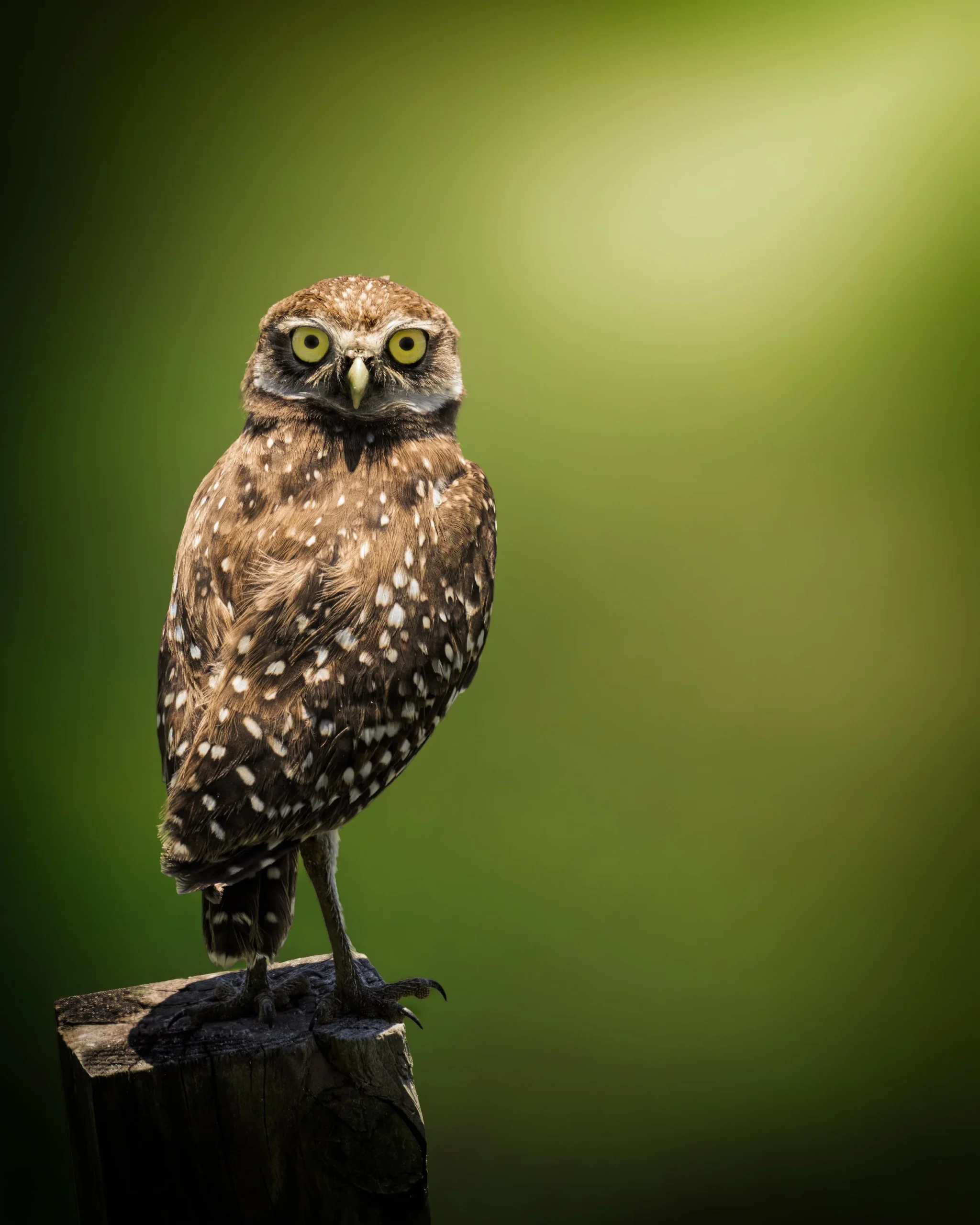
There’s a lot of noise right now about AI and photography, so let me talk about where it’s actually showing up in a working photographer’s life — because most of it has nothing to do with generating fake images.
The tools I already use every day — Lightroom, DxO PhotoLab — have quietly become AI tools. Subject detection, sky masking, noise reduction that used to take a skilled hand and twenty minutes now takes a slider and a few seconds. My camera’s autofocus tracks a bird’s eye through branches better than I could manually. None of this replaces the photographer. It removes the tedious part of the job so I can spend more time on the part that actually matters: being in the right place, at the right light, with the right eye.
The harder conversation is generative AI — tools that create images from nothing, or from a scrape of someone else’s work. That side of it is genuinely disruptive. A recent survey by the Association of Photographers found that more than half of professional photographers have already lost paid work to generative AI, with real financial impact. Stock photography and generic commercial imagery — the kind of work that was always somewhat interchangeable — is the part of the market getting hit hardest, and fastest.
But something interesting is happening at the same time: the market is starting to split. As AI-generated images flood the bottom end — cheap, fast, infinite, and increasingly indistinguishable from real photos at a glance — clients and audiences who actually care are leaning harder into work that’s verifiably real. Missed focus, visible grain, a moment that couldn’t have been prompted into existence because it only happened once, in front of one camera, at one specific second. Authenticity is becoming the premium, not the default.
That’s actually good news for the kind of photography I do. Nobody is going to prompt an AI to reproduce the exact way morning light hit a specific horse’s mane on a specific ranch in Ocala, or the particular grain of a stone staircase in a town I actually stood in. That specificity — being there — is the one thing AI fundamentally cannot fake. It can only remix what already exists.
So I’m using the AI tools that save me time in the edit, and I’m doubling down on the part no algorithm can touch: showing up, in person, camera in hand.